

Between classes, homework, sports, and hanging out with friends, teenage athletes have a lot going on. Finding time to eat can be tricky, especially when you have practice, a game, or another activity right after school. Lunch is often early in the day, and it does not always give student athletes enough time to finish their meal.
That is where after school snacks for athletes come in. Having snacks available throughout the day can help you feel energized, stay focused in class, and have the fuel you need to show up for your sport. The good news? Snacks don’t have to be complicated, expensive, or require a lot of prep. There are plenty of options you can grab, toss in a backpack, keep in a locker, or pack in the car for later.
Why Snacks Matter for Student Athletes
As a student athlete, your body uses energy all day long. Not just when you’re running, swimming, playing soccer, or practicing basketball, but also when you’re sitting in class, walking between classes, thinking, and simply existing. Eating throughout the day gives your body the energy it needs to do all of these things.
For school aged athletes, snacks are especially helpful because:
- They keep your energy going. A snack between lunch and practice helps you feel ready to move and play after spending the day sitting and learning.
- They support concentration. Your brain needs energy too, and not just in the classroom. A sharp mind matters on the practice field as well.
- They help with recovery. Eating after practice or any physical activity gives your body the energy and nutrients it needs to recover and get ready for what’s next.
Remember, you don’t have to earn your food through exercise. Your body needs and deserves food no matter what. Even on days without practice or games, snacks still help keep your energy up and help your body prepare for the next time you train.
What Makes a Good Snack for Athletes?
There is no perfect snack, and everyone’s needs are a little different. A helpful rule of thumb is to choose 2 to 4 items from at least 2 different food groups. Pairing a variety of foods gives you more sustained energy and keeps you satisfied longer than a single item snack.
You’ll notice the lists below include all kinds of foods, from yogurt and fruit to Pop-Tarts and cookies. That’s on purpose. All foods can fit in an athlete’s day, and fun foods can be a great source of quick energy. Because everyone’s needs are different, a registered dietitian can help you figure out what your individual snack needs look like.
What If You Aren’t Hungry Before Practice?
Sometimes you might not feel very hungry after school, especially if you just finished lunch, had a busy day, or have other things on your mind. That’s okay. Hunger changes throughout the day, and it doesn’t always show up at the same time.
Still, not feeling hungry doesn’t mean it’s time to skip eating. Hunger is one sign that your body needs food, but it is not the only sign that it’s time to eat. Having a snack after school and before practice is important for keeping your energy up and lowering your risk of injury. On those days, a simpler, easy to digest snack often sounds better. Pretzels, crackers, applesauce, or a granola bar are convenient options.
Pantry Snacks for Athletes (No Refrigeration Needed)
These are perfect for keeping in your backpack, locker, car, or sports bag:
- 2 granola bars + pretzels
- Peanut butter crackers + applesauce pouch + trail mix
- Pop-Tarts + shelf stable chocolate milk
- Trail mix + 2 fig bars
- Bagel + peanut butter
- Goldfish + peanut butter crackers + fruit snacks
- Graham crackers + peanut butter + dried fruit
- Popcorn + trail mix + granola bar
- Cereal bars + shelf stable chocolate milk
- Tuna packet + crackers + fruit cup
- Mini muffins + chocolate milk
- BelVita breakfast biscuits + chocolate milk
- Waffles with peanut butter
- Chex Mix + beef jerky + fruit snacks
- Pringles + beef sticks + fruit
- Cheese crackers + beef jerky + applesauce
Refrigerator Snacks for Athletes
These work well at home, or packed in an insulated bag with an ice pack:
- Greek yogurt + granola + berries
- Cheese stick + crackers + apple + peanut butter
- Hummus + pita bread + baby carrots
- Peanut butter and jelly sandwich + yogurt
- Chocolate milk + granola bar + banana
- Smoothie + granola bar
- Hard-boiled eggs + 2 cheese sticks + crackers
- Cottage cheese + granola + fruit
- Deli meat and cheese sandwich
- Pudding cup + peanut butter crackers + fruit
- Rice Krispie Treats + drinkable yogurt
- Chocolate chip cookies + milk
- Cinnamon rolls + drinkable yogurt
- Mini donuts + chocolate milk
- Banana bread + yogurt drink
- Breakfast sandwich + juice
- Toaster pastries + drinkable yogurt
- Doritos + cheese cubes + crackers
- Tortilla chips + guacamole cups + cheese
- Pita chips + hummus + roasted chickpeas
- Pretzel bites + cheese dip + fruit
- Uncrustable + chocolate milk
- Bagel chips + spinach artichoke dip
Signs You Might Need More Fuel
Sometimes athletes aren’t eating enough without realizing it, especially during a busy season. It may be time to check in with a dietitian if you notice:
- Feeling tired, dizzy, or lightheaded during practice
- Trouble concentrating in class
- Frequent injuries or getting sick often
- Performance that feels stuck or is getting worse
- Changes in your period, if you menstruate
- Feeling anxious or guilty about eating, or feeling like you need to exercise to “make up” for food
Not getting enough energy over time can affect your bones, hormones, and performance. If any of these sound familiar, talking with a parent, coach, or dietitian who specializes in eating disorder nutrition is a great next step.
What should athletes eat after practice?
A snack with both carbohydrates and protein, such as chocolate milk with a granola bar or yogurt with fruit, helps your body recover. Try to eat within about an hour of finishing.
Are “junk foods” okay for athletes?
Yes. All foods can fit. Foods like cookies, chips, and toaster pastries provide quick energy, and pairing them with other food groups can make them even more satisfying.
Final Thoughts
You don’t have to be a professional athlete to need and deserve adequate food. Whether you play sports every day, practice a few times a week, or just enjoy being active with friends, your body needs energy to keep doing what you love.
There is no one-size-fits-all snack list. Some days you might need one snack, and other days you might need several. Some days you might want something sweet, and other days something salty. The goal isn’t to eat perfectly. It’s to make sure you have foods you enjoy, have access to snacks when you need them, and give your body the energy it needs to learn, grow, play, and feel your best. Learning to honor your hunger and trust your body is a skill that will serve you on and off the field.
Want help fueling your student athlete? Our weight-inclusive Registered Dietitians help athletes and families build flexible, stress-free eating routines that support energy, performance, and a positive relationship with food. We offer in-person appointments in Columbia, MD, College Park, MD, and Alexandria, VA, plus virtual sessions. Book a free consultation with Courage to Nourish to get started.

Kathyrn Karukas, MS, RD, LD
Kathryn is a weight-inclusive, anti-diet eating disorder dietitian at Courage to Nourish. She specializes in working with adolescents and families, athletes, and individuals recovering from ARFID. Kathryn sees clients in person at the Columbia, Maryland office and virtually throughout Virginia, Pennsylvania, DC, and Maryland and Florida. To schedule a discovery call with Kathryn, click here.
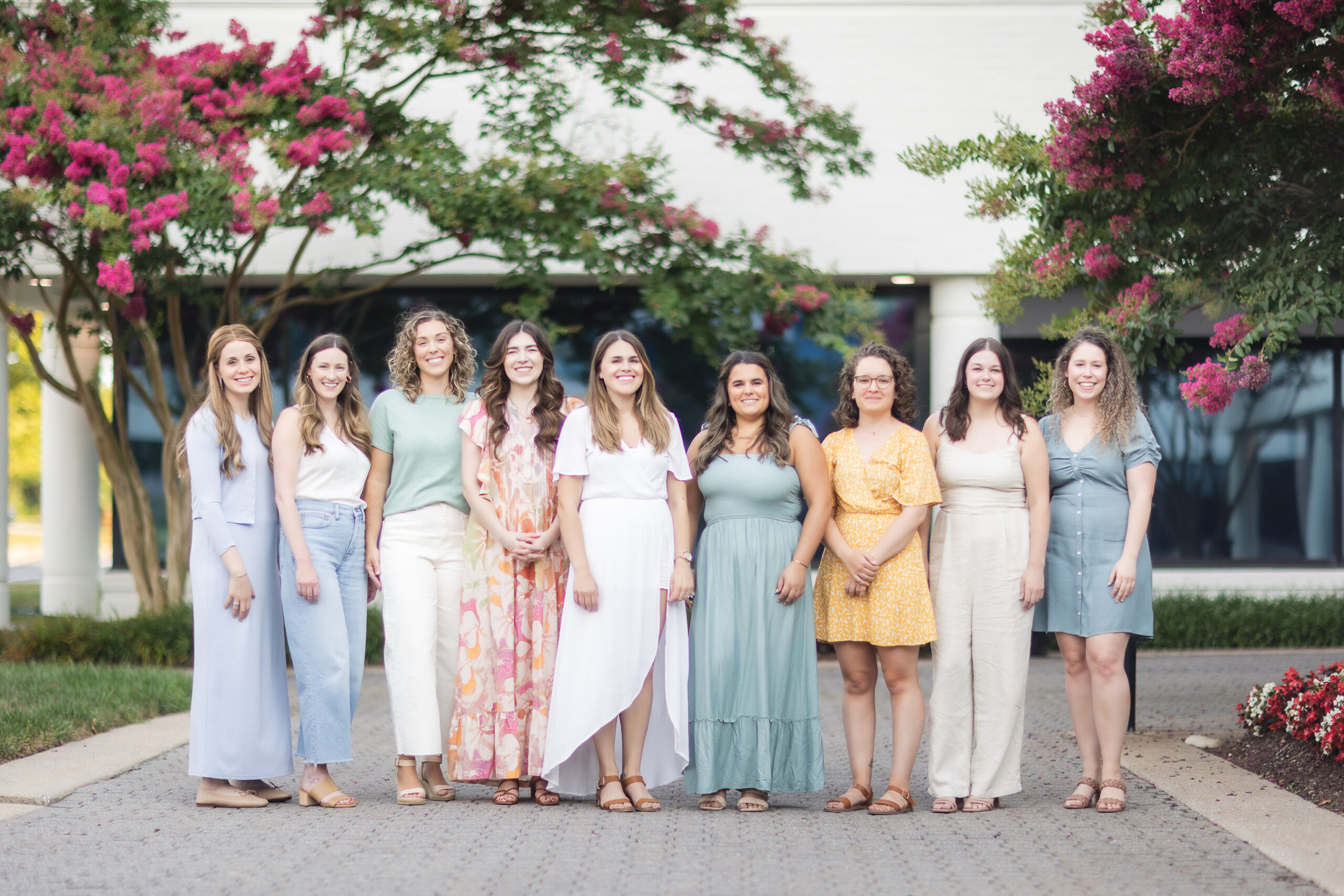
Looking for specialized eating disorder dietitians? Courage to Nourish is a team of eating disorder specialized nutritionists who have dedicated their careers to working with eating disorders.
Taking the steps to reach out for support for an eating disorder is brave. It can be difficult to find a team you trust, especially when it comes to nutrition. Courage to Nourish specializes in eating disorder recovery and supporting those in improving their relationships with food. It’s our hope to work alongside you to help guide you in reconnecting with your bodies’ innate wisdom of hunger, fullness, cravings and movement. We work with all ages, genders and eating concerns.
We align ourselves with the Health at Every Size© or HAES© approach and value diversity and inclusion.
We believe every individual deserves compassionate and adequate care. Not only do we work through a weight inclusive framework, but we also promote anti-racism, gender inclusivity, and are neurodivergent friendly and affirming. We aim to make our nutrition counseling a safer and non-judgmental space for ALL humans.
If health is something you’d like to work toward, we focus on health promoting behaviors instead of changing body shape and size. We do not provide diet or weight loss services. We welcome and encourage conversations about how various identities our clients hold impact their relationship with food, body and movement. Our team is committed to learning, growing and taking action when it comes to advocating for our clients' wellbeing.
Read more about HAES by visiting The Association For Size Diversity and Health (ASDAH)'s website.