Dietitians and Nutritionists for Disordered Eating

Is yours or a loved one’s relationship with food impacting your life? Are you a parent who is concerned about your child or teen developing an eating disorder? Are you looking to spend less time thinking about food and body image?
If you or a loved one is struggling with disordered eating, Courage to Nourish is here to help. Many individuals who experience disordered eating symptoms do not think it’s “bad enough” to get additional support. Plus, because dieting and disordered eating are normalized in our culture, it can be difficult to recognize that your relationship with food needs to be processed with a dietitian who specializes in disordered eating recovery.
What is disordered eating?
Disordered eating is something that is quite difficult to define. Disordered eating looks different from person to person. Some examples of disordered eating include:
- Compensating to eat certain foods (like eating less during the day if there is a big event later in the day)
- Trying out different diets
- Avoiding certain foods because they are “bad”
- Exercising to “burn off” calories
- Spending “too much” time and energy thinking about food and body image
- Feeling like you can’t enjoy meals because you’re worried about the calories/nutrition content
- Fear over weight gain
Please note that the list above isn’t an exhaustive list of every single sign of disordered eating. At the end of the day, if your relationship with food is negatively impacting your life in ANY way, you deserve to get support. There’s so many more exciting things you can spend your time and energy on other than thinking about food.
How We Help Treat Disordered Eating
The Courage to Nourish dietitians take an extremely individualized approach when treating disordered eating. We spend time with our clients to get an idea of how they would like to improve their eating and what specific concerns they have about food, body and exercise. We start by assuring our clients are eating consistently and getting enough variety from their food intake. We also discuss where they would like to see improvements with their food thoughts and behaviors. For example, perhaps a client would like to have less anxiety when going out to eat with friends. We’ll discuss that throughout our sessions and set specific, small goals to work toward that bigger goal.
At Courage to Nourish, our dietitians work one on one with our clients and their treatment team to improve disordered thoughts, urges and behaviors. We value trusting and compassionate relationships between our dietitians and clients. We value safety and a non-judgmental space so our clients are able to process their relationship with food and body in a way that is met with understanding and empathy. Not only do we work with you or your loved one in individual sessions, but we also collaborate with various members of the treatment team. We also provide text and email support and keep our caseloads small. This can assure you are getting the highest quality of care.
Typical Clients We Work With

Families

College Aged and Young Adult

Teens & Adolescents

Pregnant Individuals

Athletes

Adults
FAQs About Disordered Eating
How do I know if I have disordered eating?
How long does it take to treat disordered eating?
Will I need to follow a meal plan?
How can I help a loved one with disordered eating?
How can I find support for disordered eating?
Courage to Nourish is happy to help. Contact us for more information about working with us. We provide both virtual and in person services. If for some reason we are unable to support you, we would be glad to refer you to other resources. You can also read our blog and resources page for more ideas and support on eating disorder recovery.
Have more questions?
Service Locations
IN-PERSON APPOINTMENTS
VIRTUAL APPOINTMENTS
About Courage to Nourish
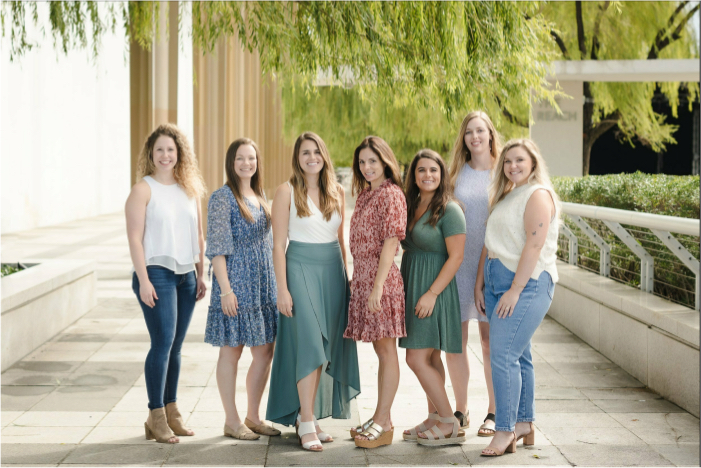
Courage to Nourish is a group of eating disorder specialized dietitians. We have in person locations in Alexandria, Virginia, Columbia, Maryland, and College Park, Maryland. We offer virtual services across the state of Maryland. Virginia, Washington DC, Pennsylvania, and Colorado. We offer individual nutrition therapy. As well as support groups. We would love to guide you in building a better relationship with food.
Interested in finding out more?
Tell us more about how we can help you.