



Pregnancy is an exciting time and can also be very confusing. If you have ever been pregnant, it is highly likely that you have been told what to eat, what not eat, what to avoid, what to weigh, the list goes on and on. There is so much misinformation and fear mongering statements out in the world regarding pregnancy nutrition. This constant messaging can lead to shame, anxiety, and confusion. Mothers-to-be want the best for their baby, so it is easy to get overwhelmed with this. The goal of nutrition during pregnancy is supporting the mother and the baby, not about restriction or policing bodies and food. In this article, we review 4 common pregnancy nutrition myths and we spell out why they’re wrong.
Myth #1: There is a specific weight range everyone should gain in pregnancy
Body size is largely dependent on genetics, a factor that we cannot control. Genetics accounts for body diversity within our world. Bodies are supposed to look different. Different bodies should not be expected to gain the same amount of weight during pregnancy. The weight a person needs to gain while pregnant is highly individualized and depends on the growth and health of the baby and the mother’s own appetite and meal habits. Weight gain in pregnancy is influenced by many factors: fluid shifts, the placenta, amniotic fluid, breast tissue, and more. It is a normal and expected part of the process, not something to fear or tightly manage. Rigid weight expectations during pregnancy can harm mental health, fuel disordered eating, or lead to unnecessary restriction. Weight gain is not a failure; it is a natural part of how your body supports the growing fetus.
Myth #2: Your eating habits must drastically change
It is true that nutrients needs increase during pregnancy. Energy needs are individualized between each pregnant person. In the first trimester, the fetus is in the early stages of development. Energy needs do not highly increase at this time. It is important to focus on consuming consistent and nourishing meals and snacks that feel satiating. Protein and calorie needs increase in the second and third trimesters. One can achieve this by adding extra portions at meals and/or adding more snacks in between meals. Honoring hunger/fullness cues during pregnancy is important and the best gauge on whether one is eating enough. Some days you’ll feel hungrier, other days less so, and that is okay. You are nourishing a changing body and your hunger will guide you.
Myth 3: A smaller body equals a healthier pregnancy
This myth reflects weight bias, not evidence. People in bodies of all shapes and sizes have healthy pregnancies. The belief that people in larger bodies cannot have healthy pregnancies is harmful. Weight stigma in gestational care can lead to care that is dismissive, judgmental, or delayed. Pregnant people in larger bodies may feel pressure to lose weight or not gain any further weight. This can lead to one restricting calorie and/or over exercising during pregnancy. This can result in malnutrition within the mother and possible growth restrictions for the fetus. We know that health is not determined by the number on the scale. Therefore, health in pregnancy should also not be determined by weight. Pregnant people have the right to advocate for less focus on weight in their perinatal and pregnancy care.
Myth #4: You need to eat a perfectly balanced diet, even during nausea
Morning sickness is common during the first trimester but can also last all throughout pregnancy. When feeling nauseous, it is understandable that one might have a small list of foods that feel tolerable to consume. One can feel guilt during this time, as your eating might not reflect what you imagined to be plates of balanced meals full of variety during pregnancy. Your body’s top priority during this time is to get calories in, not follow a perfectly balanced meal plan. This might mean focusing on bland simple foods such as crackers, cheese, fruits, toast, smoothies and protein drinks. Even small amounts of food or fluids can make a difference, and nutrition can be layered in overtime as nausea eases. The phrase “fed is best” is the key here.
Final Thoughts: Trust Your Body
It is easy to get caught up in misinformation about health during pregnancy. We see messaging on this topic everywhere- television, advertisements, social media, and even at well-meaning doctor’s offices. Your individual health and needs during your pregnancy are between you are your medical team. But it is also okay to advocate for yourself when you feel your needs are not being heard or have been given recommendations that just don’t feel quite right. You are the expert on your own body and deserve care that reflects that.
We are here to support you!
Courage to Nourish is a group of eating disorder specialized dietitians. We have in-person locations in Alexandria, Virginia, Columbia, Maryland. and College Park, Maryland. We offer virtual services across the state of Virginia, Washington DC, Pennsylvania, and Colorado. We offer individual nutrition therapy. As well as support groups. We would love to guide you in building a better relationship with food.
Contact us for more information. And to schedule a discovery call. Also, sign up for our client or clinician newsletter!
Check out our eating disorder quizzes:
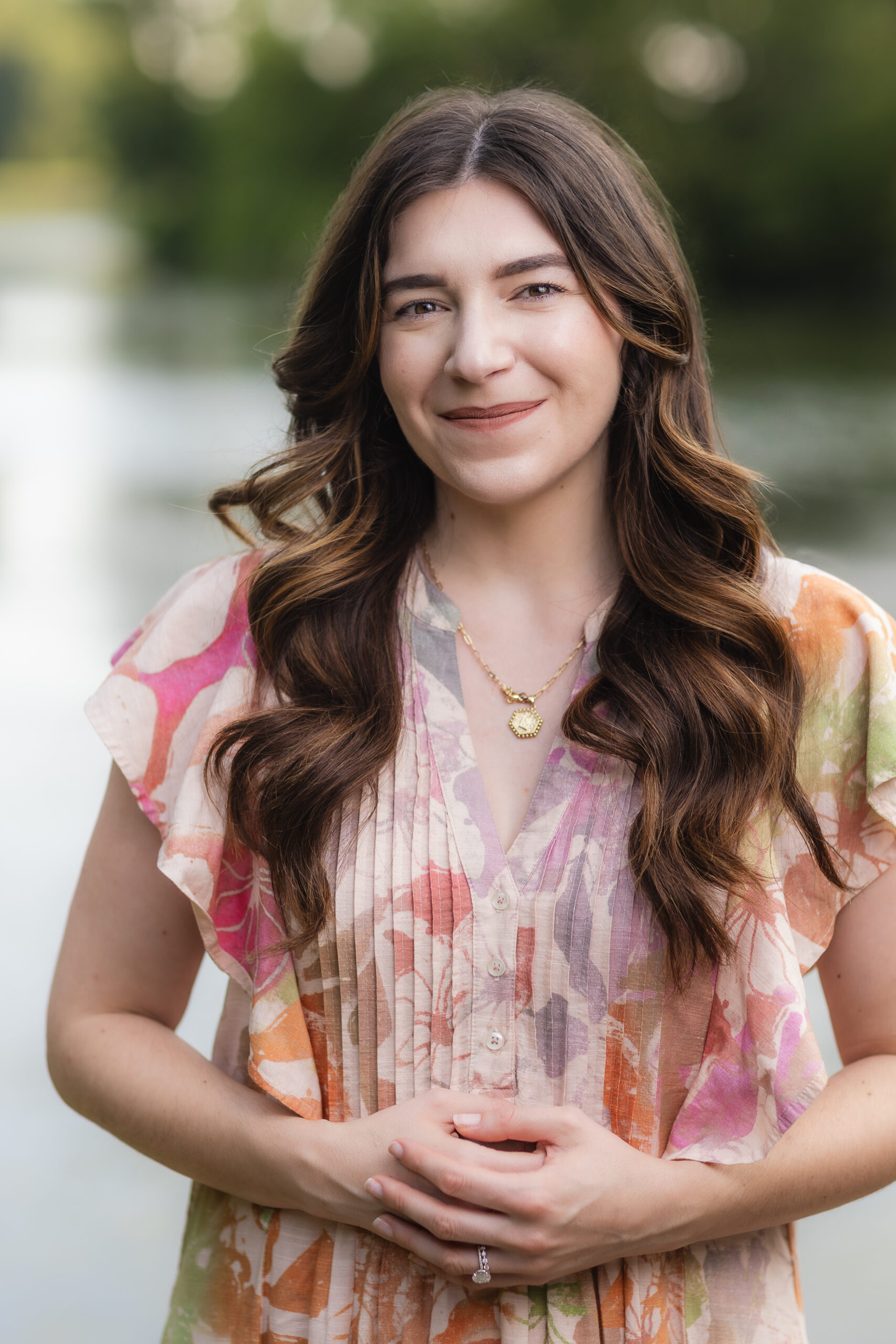
Lauren is an anti-diet eating disorder dietitian who specializes in working with kids/adolescents and their families and college students. She also specializes in ARFID nutrition and enjoys working with clients who have chronic health conditions and have been harmed by our medical system. Learn more about Lauren here.


7307 Baltimore Ave
Suite 109
College Park, MD 20740
Columbia
9841 Broken Land Pkwy Suite 106
Columbia, MD 21046
Alexandria
707 Oronoco Street
Alexandria, VA 22314
Virginia Virtual Options:
Richmond, VA
Charlottesville, VA
F: (844) 904-0458
E: hello@couragetonourish.com
© Copyright Courage to Nourish Nutrition 2023