



The holidays can be a nice time of year to relax and re-connect with family. But they can also be overwhelming, especially if you’re in eating disorder recovery. Many holidays center around food. This can be stressful on its own, but even more so when you’re dealing with family who has thinking rooted in diet culture. Boundaries can be difficult to set in the moment. But, in the long-term, they can really help to protect your mental health. Here are 3 tips for setting boundaries with family members this holiday season.
1. Determine your boundaries
To do so, it can be helpful to check in with yourself about the following:
- How do I want my holiday to look?
- What is supportive to my recovery?
- What is unhelpful or triggering?
- What am I in control of? What am I not in control of?
Examples of boundaries are:
-
-
- “Please do not comment on my body weight or others. I’m trying to place less worth on my body in general.”
- “Please do not comment on what I’m eating or not eating. I’m working on listening to my body, which is difficult when I receive commentary from others.”
- “Please do not talk about diets. I’m trying to move away from food rules in my own life.”
-
2. Communicate your boundaries
If you can, get ahead by talking to family members before the holidays. In person or over the phone if possible. You don’t have to justify your boundaries, but explaining why they are necessary and using “I” terms to do so can help lower defensiveness. It might feel uncomfortable to have these conversations, but everyone deserves to feel safe, including you. By setting boundaries, you’re aligning with your values and your recovery.
3. Determine next steps if your boundaries are crossed
If somebody crosses your boundary, it’s up to you to determine what feels like the next best step. Some options include:
-
-
- Stating or restating your boundary – Say “I’m uncomfortable talking about ‘x,’ let’s talk about something else.”
- Changing the conversation – Ask “what’s new with you?,” “how’s work?,” “what shows have you been watching?,” “how is your sports team doing?,” “do you have any fun plans coming up?”
- Leaving the room – Take a break to breath, use a coping skill, or call a support person
- Leaving the function – If you are feeling uncomfortable, dysregulated, or disrespected, it’s your right to leave to protect your mental health. It’s also your right to decide to not go in the first place!
-
It could also help to have a support person on standby. If they are physically with you, you can talk to them ahead of time about what type of support would be helpful. They can help to step in when they notice people bringing up triggering subjects or crossing your boundaries. They can also sit with you during meal times to support you in eating enough and eating the foods that you really want. If they are not physically with you, you can text or call them for support if needed.
You’re allowed to curate your own holiday experience and that includes boundary setting. People don’t even have to understand your boundaries, but they do have to respect them. You deserve a peaceful holiday experience just like anyone else. An eating disorder dietitian can help you create a plan for navigating the holidays.
Final Thoughts on Setting Boundaries with Family Members
The holidays can be tough to navigate in recovery, but thoughtful boundaries can help you feel more grounded and supported. By clarifying what you need, sharing those needs with loved ones, and deciding how you’ll respond if boundaries aren’t respected, you’re creating a safer, more intentional holiday experience. Your boundaries are valid, and you deserve a season that protects your peace.
We are here to support you!
Courage to Nourish is a group of eating disorder specialized dietitians. We have in-person locations in Alexandria, Virginia, Columbia, Maryland. and College Park, Maryland. We offer virtual services across the state of Virginia, Washington DC, Pennsylvania, Colorado, and Georgia. We offer individual nutrition therapy, as well as support groups. We would love to guide you in building a better relationship with food and body.
Contact us for more information. And to schedule a discovery call. Also, sign up for our client or clinician newsletter!
Check out our eating disorder quizzes:
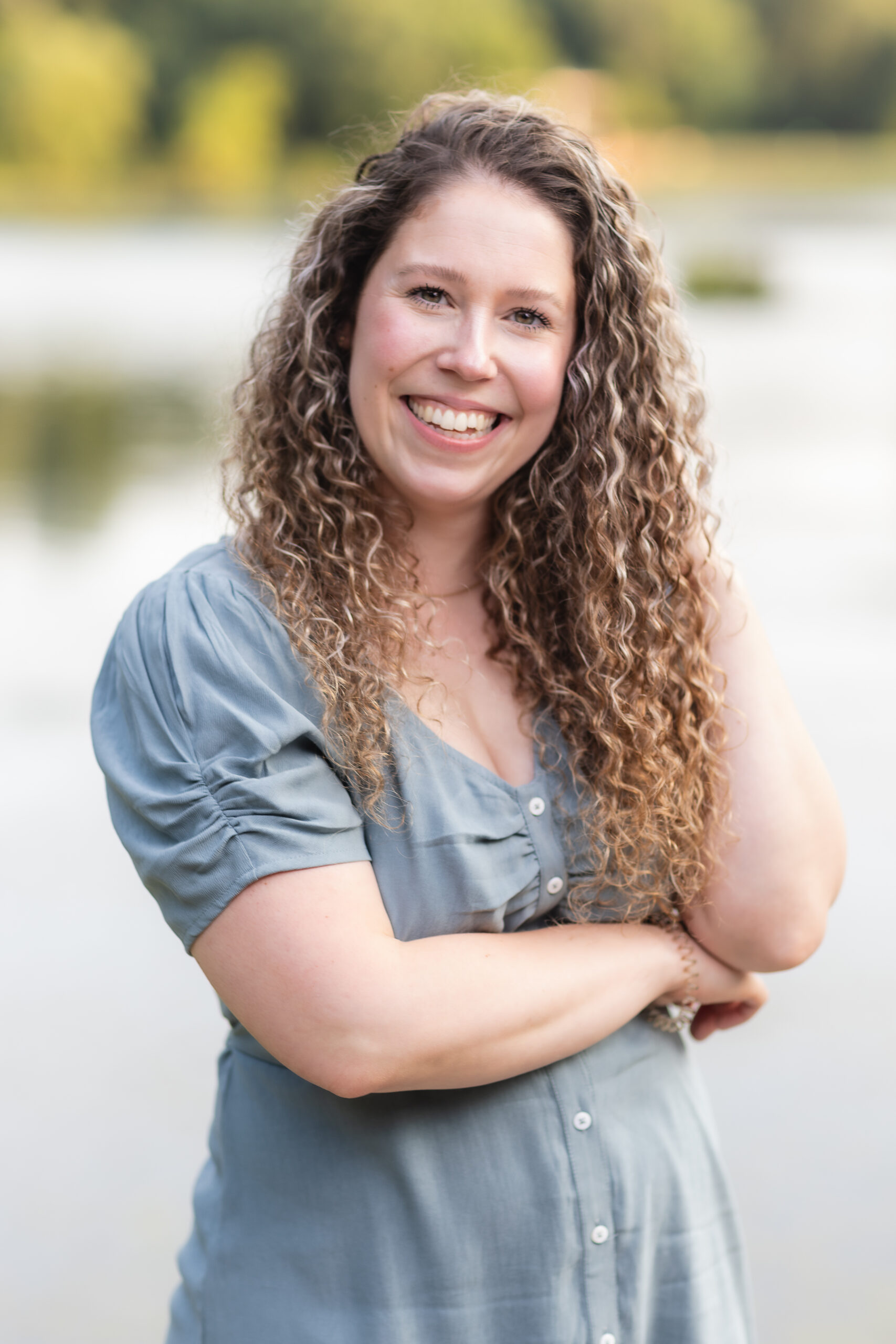
As a professional who used to work in a corporate setting, I have seen the negative, daily impact that diet culture has on people’s lives. This led me to discover intuitive eating and Health At Every Size ©, which I now use in working with clients in recovery at the partial hospitalization and intensive outpatient level. I love helping clients find a way of nourishing, moving, and viewing their body that is satisfying and sustainable.


7307 Baltimore Ave
Suite 109
College Park, MD 20740
Columbia
9841 Broken Land Pkwy Suite 106
Columbia, MD 21046
Alexandria
707 Oronoco Street
Alexandria, VA 22314
Virginia Virtual Options:
Richmond, VA
Charlottesville, VA
F: (844) 904-0458
E: hello@couragetonourish.com
© Copyright Courage to Nourish Nutrition 2023